
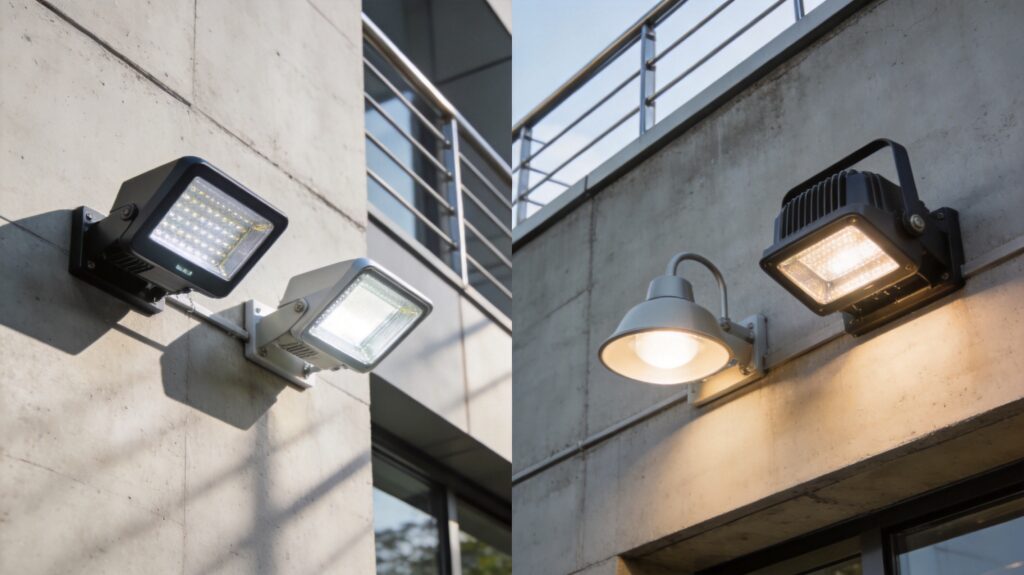
LED Light Fixtures vs. Traditional Outdoor Lighting: B2B Guide
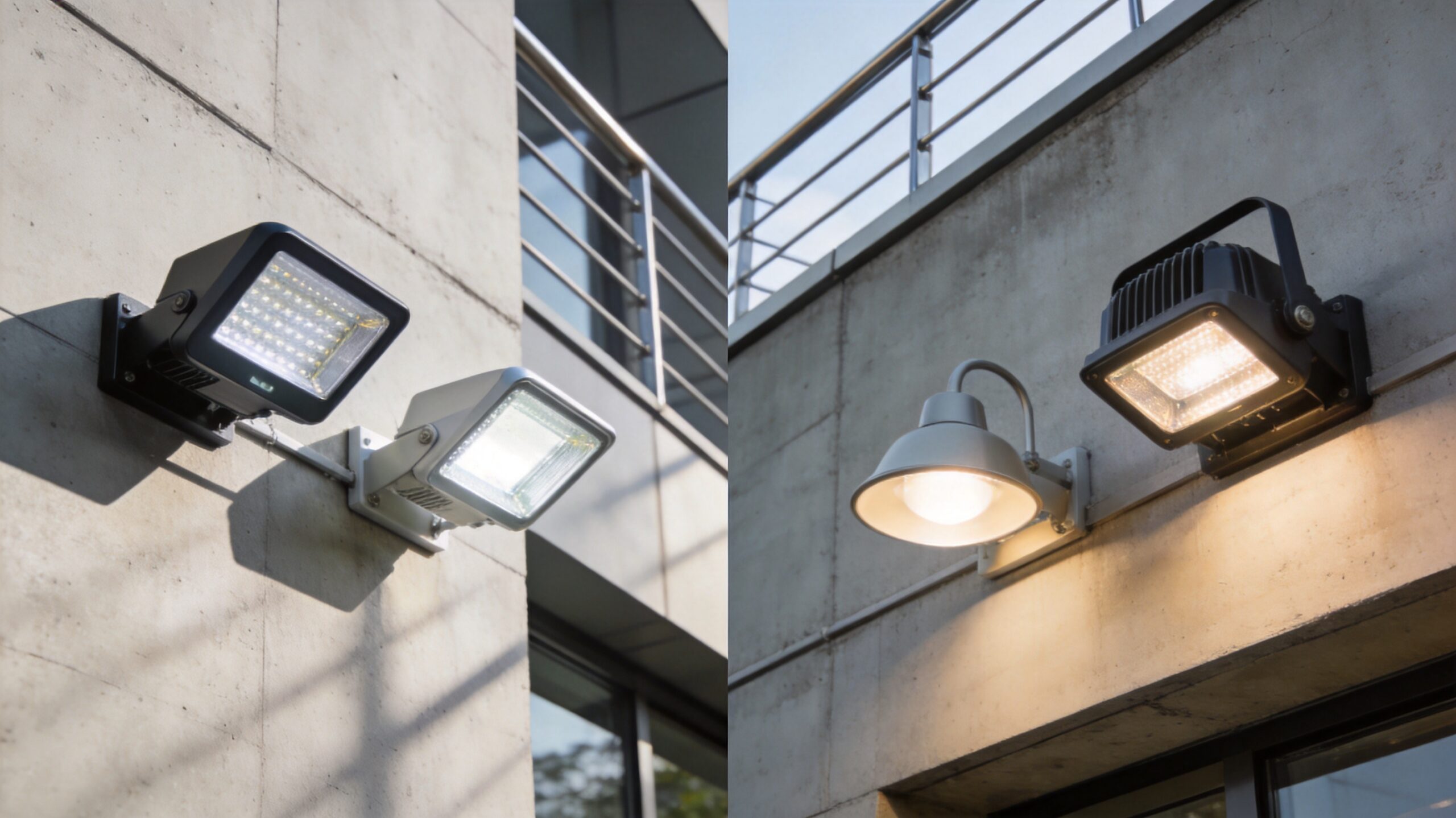
The commercial outdoor lighting market has reached a critical inflection point. Facility managers, procurement officers, and electrical contractors are increasingly evaluating whether to continue investing in legacy high-intensity discharge (HID), metal halide, or high-pressure sodium systems—or to transition their portfolios to LED light fixtures. While the initial price tag of LED technology was once a deterrent, the economics have shifted dramatically.
For B2B buyers managing large-scale sites, the decision involves far more than bulb replacement; it is a strategic infrastructure choice that affects energy budgets, maintenance schedules, safety compliance, and long-term asset value. This guide provides a practical framework for comparing LED light fixtures against traditional outdoor lighting fixtures, with a focus on the technical, financial, and operational factors that matter most in commercial applications.
Why B2B Buyers Are Shifting to LED Light Fixtures
Total Cost of Ownership vs. Upfront Price
The most common misconception among B2B buyers is that LED light fixtures are simply more expensive. While the purchase price per unit is typically higher than traditional outdoor lighting fixtures, the total cost of ownership (TCO) tells a different story. TCO includes energy consumption, replacement lamps, labor for maintenance, and disposal fees.
Over a 10-year horizon, LED fixtures consistently deliver a 40% to 60% lower TCO compared to metal halide or sodium vapor systems. For a facility with 500 fixtures, this can translate into six-figure savings. In my experience working with procurement teams, smart buyers now model TCO over the full lifecycle rather than comparing sticker prices alone.
Energy Efficiency Benchmarks for Commercial Sites
Commercial sites—whether distribution centers, corporate campuses, or municipal facilities—operate under tight energy budgets. LED light fixtures achieve 130 to 200 lumens per watt, whereas traditional outdoor lighting fixtures typically deliver only 60 to 100 lumens per watt. This efficiency gap means that an LED upgrade can reduce lighting-related energy consumption by 50% to 70% on the same site.
Additionally, LEDs produce directional light, reducing wasted illumination that scatters into the sky or adjacent properties. For organizations with sustainability targets or utility rebate programs, these efficiency benchmarks are decisive factors in the procurement process. For a deeper look at how modern LED technology compares across various applications, consult this industry reference from AZoM.
Key Technical Specifications to Compare
Lumens, Wattage, and Color Temperature
When evaluating LED light fixtures, B2B buyers must look beyond wattage—a metric tied to energy draw—and focus on lumens, which measure actual light output. A 100-watt LED fixture can produce the same lumens as a 250-watt metal halide fixture, which is why wattage alone is misleading.
Color temperature, measured in Kelvin (K), also matters. Traditional outdoor lighting fixtures often emit a warm, yellowish glow (around 2,200K to 3,000K). LED fixtures offer tunable options from 3,000K (warm) to 5,000K (cool daylight). For security and task-oriented areas like loading docks, cooler temperatures improve visibility and contrast.
IP Ratings and Durability for Outdoor Environments
Outdoor lighting fixtures must withstand rain, dust, extreme temperatures, and corrosive coastal air. The Ingress Protection (IP) rating is the industry standard for assessing this durability. For most commercial outdoor applications, an IP65 or IP66 rating is recommended, as it guarantees protection against water jets and dust ingress.
Traditional fixtures often have lower IP ratings, making them susceptible to moisture buildup and premature failure. LED light fixtures, when properly sealed, offer superior longevity in harsh environments, reducing the frequency of emergency replacements.
Lifespan and Maintenance Intervals
Traditional outdoor lighting fixtures typically have lamp life ratings of 10,000 to 24,000 hours. In contrast, quality LED light fixtures are rated for 50,000 to 100,000 hours. This difference fundamentally changes maintenance planning.
With traditional systems, a facility may need to replace lamps every 2 to 3 years, requiring lift trucks, labor crews, and operational downtime. LED fixtures can operate for 10 to 15 years before reaching their L70 threshold (the point where light output degrades to 70% of initial levels). For B2B operations, this translates into dramatically reduced maintenance intervals and lower labor costs.
Outdoor Lighting Fixtures: Application-Specific Considerations
Parking Lots, Facades, and Security Lighting
Different applications demand different optical distributions. Parking lots require wide, uniform coverage to eliminate dark spots and reduce liability. Facade lighting demands precise aiming to highlight architectural features without light trespass. Security lighting requires high output and instant-on capability—a significant advantage of LED light fixtures, which reach full brightness immediately, unlike HID lamps that require warm-up periods of 5 to 15 minutes.
When selecting outdoor lighting fixtures, B2B buyers should match the photometric distribution to the specific task, not rely on a one-size-fits-all approach. For decorative and accent applications, our outdoor patio decorative lights offer versatile solar-powered options that complement larger commercial installations.
Retrofit Kits vs. Full Fixture Replacements
For existing installations, B2B buyers have two primary options: retrofit kits or full fixture replacements. Retrofit kits allow you to replace the internal light engine of an existing housing with LED technology, preserving the original fixture shell and mounting infrastructure. This is often the lower-cost path, but it may limit optical performance and thermal management.
Full fixture replacements, while more expensive upfront, offer optimized heat sinks, advanced optics, and modern control compatibility. For sites with aging housings or outdated aesthetics, full replacement is usually the more reliable long-term investment.
LED vs. Traditional: Performance and Compliance
Light Quality and Control Options
Light quality is measured by the Color Rendering Index (CRI), which indicates how accurately colors appear under the light source. Traditional outdoor lighting fixtures often have a CRI of 20 to 60, making colors appear dull or distorted. LED light fixtures typically achieve a CRI of 70 to 90, which is critical for security cameras, signage visibility, and employee safety.
Furthermore, LEDs are inherently compatible with advanced controls—motion sensors, daylight harvesting, and networked lighting management systems. These controls allow B2B operators to dim lights during low-traffic hours, achieving additional energy savings that are impossible with traditional fixtures. For a more detailed technical breakdown of LED performance metrics, refer to this technical reference from Engineering360.
Dark Sky Compliance and Regulatory Standards
Municipalities and environmental agencies are increasingly enforcing Dark Sky compliance, which restricts light pollution and upward light spill. Traditional outdoor lighting fixtures often fail these standards due to unshielded designs and broad beam angles. LED light fixtures, with their directional output and full-cutoff optics, are designed to meet these regulations.
B2B buyers should verify that their chosen fixtures comply with the International Dark-Sky Association (IDA) guidelines and local building codes. Failure to comply can result in fines, retrofit mandates, or project delays.
Sourcing and Procurement Strategies for Commercial Projects
Evaluating Manufacturer Warranties and Certifications
Not all LED light fixtures are created equal. B2B buyers should prioritize manufacturers that offer comprehensive warranties—ideally 5 to 10 years covering both parts and performance (e.g., lumen maintenance). Certifications such as UL Listing, DLC (DesignLights Consortium) qualification, and ENERGY STAR are non-negotiable for commercial projects, as they ensure safety, performance, and eligibility for utility rebates.
Requesting photometric files (IES or LM-80 data) is also essential for verifying that the fixture will meet your site’s illumination requirements. I have seen too many projects go sideways because buyers skipped this step.
Bulk Pricing, Lead Times, and Supply Chain Reliability
When procuring outdoor lighting fixtures at scale, pricing is negotiable. Bulk orders of 100 or more units typically qualify for tiered discounts of 10% to 25% off list price. However, B2B buyers must also evaluate lead times.
While traditional fixtures are often stocked locally, LED light fixtures—especially those with custom optics or controls—may require 4 to 8 weeks for manufacturing and delivery. In a post-pandemic supply chain environment, it is prudent to work with manufacturers that maintain domestic inventory or have redundant sourcing channels to mitigate disruption risks. Our product catalog provides a comprehensive overview of available lighting solutions and customization options.
Implementation and Installation Best Practices
Electrical Compatibility and Driver Requirements
LED light fixtures require drivers (similar to ballasts in traditional systems) to regulate power. When replacing traditional fixtures, B2B buyers must verify that the existing electrical infrastructure—voltage, wiring, and circuit breakers—is compatible with the LED drivers. In some cases, surge protection devices are recommended to safeguard LED drivers from voltage spikes, which are common in outdoor environments.
Consulting with a licensed electrical engineer during the design phase can prevent costly field modifications.
Phased Rollout and Minimizing Downtime
For large facilities, a full overnight swap-out is rarely practical. Instead, a phased rollout is recommended. Begin with critical areas—entrances, security perimeters, and high-traffic zones—to demonstrate immediate benefits and gather performance data. Then, proceed with secondary areas during scheduled maintenance windows.
This approach minimizes operational downtime and allows the procurement team to adjust specifications based on real-world performance before the final phases are executed.
Frequently Asked Questions for B2B Decision-Makers
What Is the Payback Period for LED Upgrades?
The payback period for LED light fixtures depends on energy rates, fixture count, and operating hours. For facilities that operate lighting 12 hours per day, 365 days per year, the payback period is typically 2 to 4 years when factoring in energy savings and reduced maintenance. For sites with lower operating hours, the payback may extend to 5 years. Utility rebates and federal tax incentives (e.g., the Commercial Buildings Energy Efficiency Tax Deduction) can shorten this period significantly.
Can Existing Poles and Mounts Be Reused?
In most cases, yes. LED light fixtures are designed with standard mounting configurations (slip fitter, yoke mount, or wall bracket) that are compatible with existing poles and arms. However, B2B buyers should inspect the structural integrity of poles, especially if they are over 20 years old.
The weight of LED fixtures is typically lower than traditional fixtures, which reduces wind load and extends the life of the mounting infrastructure. If the poles are in good condition, reusing them can save thousands of dollars in civil work.
The transition from traditional outdoor lighting fixtures to LED light fixtures is no longer a question of “if” but “when.” For B2B buyers, the decision hinges on a holistic evaluation of performance, compliance, and lifecycle economics. By focusing on total cost of ownership, technical specifications, and strategic implementation, organizations can achieve superior illumination, lower operational costs, and a more sustainable footprint. The market has spoken—LED technology is the standard for modern commercial outdoor lighting, and the buyers who act decisively will secure a competitive advantage for years to come.