
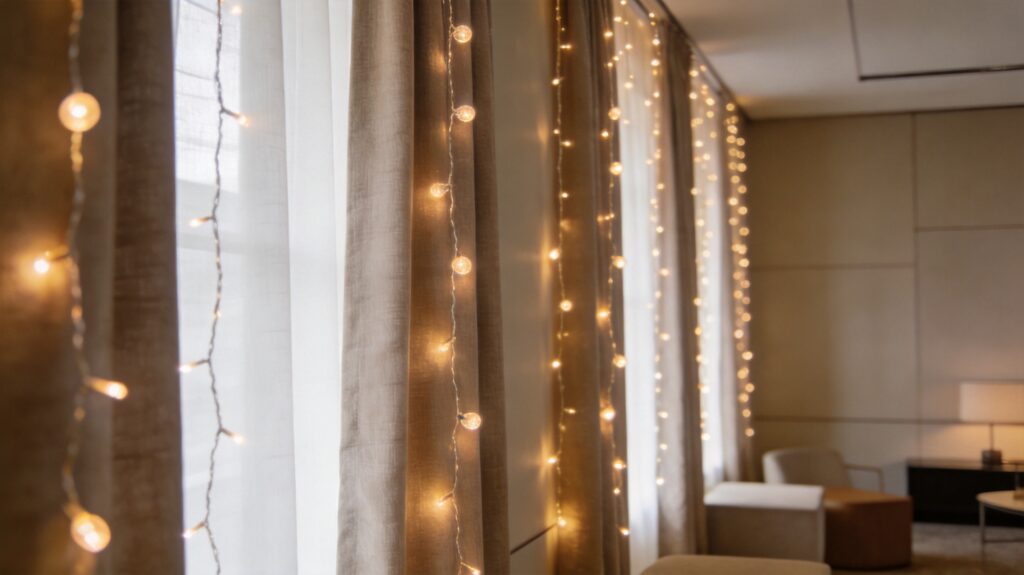
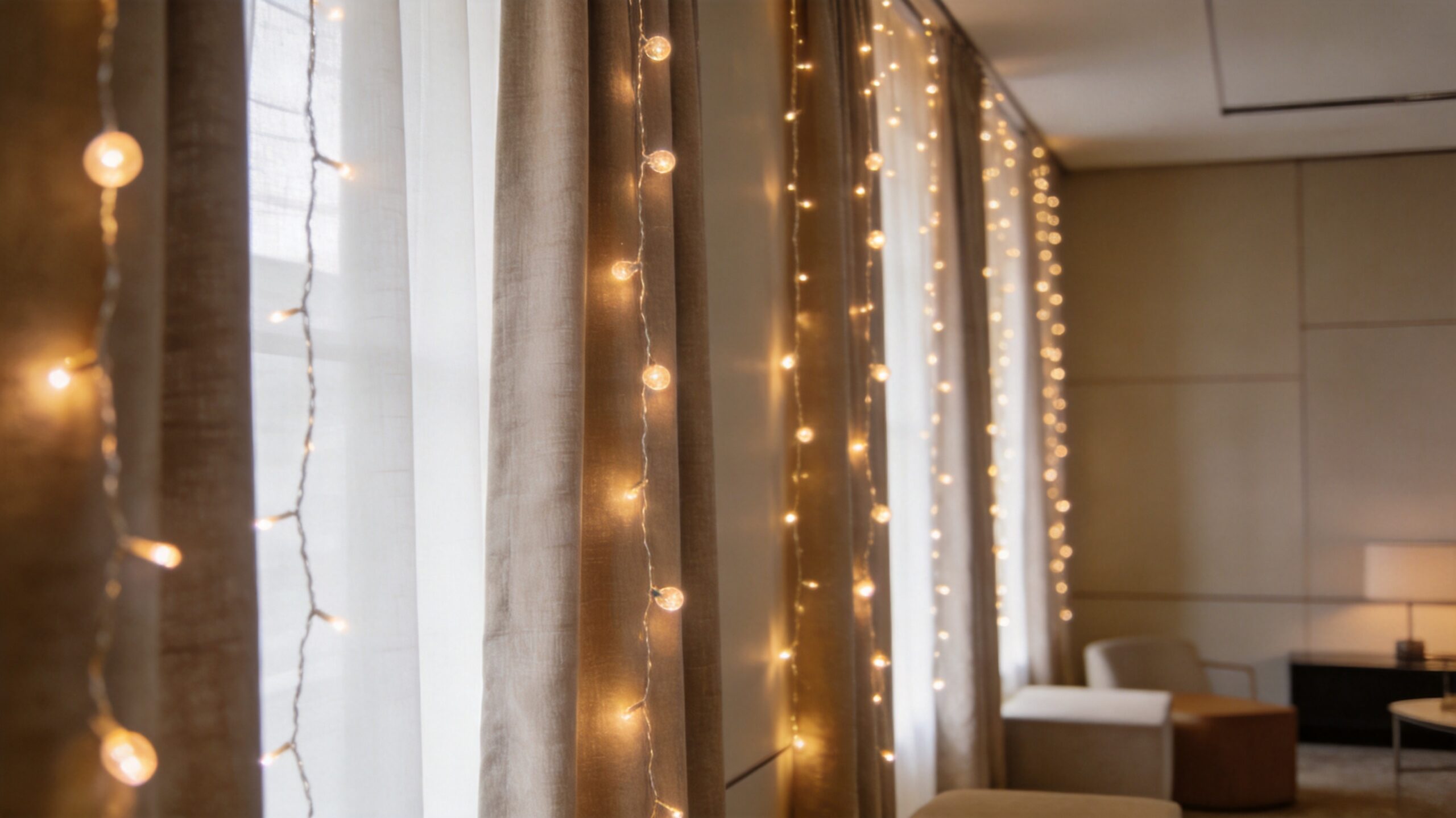
When it comes to creating atmosphere, driving foot traffic, and enhancing brand identity, few tools are as effective as well-placed decorative lights. For commercial buyers—whether you manage a retail chain, a hospitality group, or an event production company—curtain and string lighting offer a versatile, cost-effective solution that transforms ordinary spaces into memorable experiences. This guide walks you through everything you need to know before placing your next bulk order, from technical specifications to supplier evaluation, so you can make purchasing decisions that balance aesthetics, durability, and ROI.
Why Commercial Buyers Choose Curtain and String Lighting Over Other Decorative Lights
Curtain and string lights have become the go-to decorative lighting choice for businesses across industries, and for good reason. Unlike rigid architectural fixtures or bulky LED panels, these flexible lighting solutions deliver a warm, inviting ambiance that is difficult to replicate with other products. They are lightweight, easy to install, and can be adapted to virtually any spatial configuration—from a sprawling outdoor plaza to a compact retail window. For a closer look at the range of options available, you can explore the decorative light product lineup from a trusted manufacturer.
Key Differences Between Curtain Lights and String Lights
Understanding the distinction between these two popular formats is essential for making the right selection. Curtain lights (also known as fairy light curtains) feature multiple vertical strands hanging from a single horizontal cable, creating a cascading “waterfall” effect. They are ideal for covering large wall surfaces, window panes, or ceiling areas where you want uniform light distribution. String lights, by contrast, consist of a single linear run of bulbs spaced at regular intervals. They excel at outlining architectural features, defining pathways, or draping across open spaces like patios and event tents. Your choice depends on the visual effect you want to achieve: curtain lights for depth and coverage, string lights for line and direction.
Cost Efficiency for Large-Scale Installations
For commercial projects, budget is always a determining factor. Both curtain and string lights offer exceptional cost efficiency compared to custom architectural lighting. When purchased through a reliable lighting products wholesaler, the per-unit cost drops significantly, allowing you to cover large areas without exhausting your capital expenditure. Additionally, modern LED options consume up to 80% less energy than incandescent equivalents, translating into substantial long-term savings on utility bills—an essential consideration for installations that run daily for months at a time.
Essential Specifications to Evaluate Before Bulk Ordering
Before you commit to a large purchase, you must evaluate several technical specifications to ensure the products meet your operational requirements. Overlooking these details can lead to premature failures, safety hazards, or disappointing visual results.
IP Ratings and Weather Resistance for Indoor vs. Outdoor Use
The Ingress Protection (IP) rating tells you how well a light fixture resists dust and moisture. For indoor commercial spaces, an IP20 rating is generally sufficient. However, for outdoor installations—such as restaurant patios, building facades, or festival grounds—you should look for a minimum of IP44 (splash-proof) and ideally IP65 (water-jet resistant) for fully exposed locations. Confirm the rating with your supplier, as some products marketed as “outdoor” only meet minimal standards that may not withstand prolonged rain or humidity.
Voltage, Wattage, and Power Supply Compatibility
Commercial installations often require connecting multiple strings or curtains to a single power source. Check the operating voltage (typically 110V–120V for North America, 220V–240V for Europe and Asia) and the total wattage of your configuration to avoid overloading circuits. Many commercial-grade products support end-to-end connection, allowing you to link up to 20–30 units per power supply. Always verify the maximum connectable length with your lighting products wholesaler to prevent voltage drop, which can cause dimming at the far end of the run. For example, a 24V low-voltage project light string offers a safe and efficient solution for large-scale installations.
Bulb Type, Color Temperature, and Light Output
The bulb type determines both the aesthetic and the energy profile of your installation. LED is the clear winner for commercial use due to its longevity (typically 25,000–50,000 hours) and low heat output. Color temperature, measured in Kelvin (K), affects the mood: warm white (2700K–3000K) creates a cozy, upscale feel suitable for restaurants and lounges, while cool white (4000K–5000K) suits retail environments where product clarity is paramount. Also consider lumens per bulb—for ambient lighting, 1–2 lumens per bulb is sufficient, but for task or accent lighting, you may need 5–10 lumens per bulb.
Best Commercial Applications for Curtain and String Lights
Different business types leverage decorative lights in unique ways. Understanding the most effective applications helps you tailor your product selection to your specific industry.
Retail Storefronts and Window Displays
In retail, the window display is your first salesperson. Curtain lights placed behind the glass create a shimmering backdrop that draws the eye and highlights featured merchandise. String lights can outline the window frame or be draped along shelving to guide customers through the store. Seasonal changes—such as warm white for winter and cool tones for summer—keep the display fresh and encourage repeat visits.
Restaurants, Cafés, and Hospitality Venues
Hospitality thrives on atmosphere. String lights strung across an outdoor terrace or along a bar counter instantly elevate the dining experience, making patrons linger longer and order more. Curtain lights can transform a plain ceiling into a starry canopy, ideal for event spaces within the venue. The key is to choose dimmable options so you can adjust brightness from lunch service to evening ambiance.
Event Spaces, Festivals, and Seasonal Installations
For event organizers, decorative lights are the fastest way to define zones and create a festive mood. Curtain lights serve as stunning backdrops for stages or photo booths, while string lights can be woven through trees, tents, or pergolas. Because these installations are often temporary, prioritize products that are easy to install, dismantle, and store without damage.
Comparing Quality and Durability Across Wholesale Suppliers
Not all decorative lights are created equal. When sourcing from a lighting products wholesaler, you must scrutinize the build quality and the supplier’s reliability to avoid costly replacements down the line.
Material Quality: Wiring, Sockets, and Connectors
Inspect the specifications for wiring gauge (thicker wire, such as 18 AWG, handles higher loads and resists breakage), socket material (ceramic or high-grade plastic over thin PVC), and connector quality (weatherproof plugs with secure locking mechanisms). Products with reinforced insulation and strain-relief points at the bulb sockets will withstand the rigors of commercial use, including repeated handling during seasonal installations.
Certifications and Safety Standards (UL, CE, RoHS)
Safety is non-negotiable in commercial settings. Verify that the products carry recognized certifications: UL (Underwriters Laboratories) or ETL for North America, CE for the European market, and RoHS compliance for restriction of hazardous substances. These certifications indicate that the product has been tested for electrical safety, fire resistance, and environmental impact. Do not accept verbal assurances—request copies of the certification documents from your supplier.
Warranty and After-Sales Support from Lighting Products Wholesalers
A reputable wholesaler stands behind their products. Look for warranties of at least 1–2 years on commercial-grade decorative lights. More importantly, assess the after-sales support: Do they offer replacement parts (bulbs, connectors, power supplies)? What is their policy on defective units within the first 30 days? A supplier who provides responsive technical support and a clear returns process is worth the slightly higher unit price.
Sourcing Strategies for Wholesale Buyers
Once you have identified the right product specifications, your next step is optimizing your sourcing strategy to maximize value and minimize risk.
Minimum Order Quantities and Pricing Tiers
Most lighting products wholesalers operate with tiered pricing based on order volume. Determine your annual or project-based demand and negotiate accordingly. If you are a small business, consider joining a buying group or partnering with other local businesses to reach higher volume tiers. Always request a detailed quotation that breaks down unit price, packaging, and shipping costs so you can compare offers transparently.
Custom Lengths, Connectors, and Color Options
Standard products may not fit your unique space. Many wholesalers offer customization services, including custom cable lengths, specific connector types (e.g., 3-pin waterproof plugs), and bespoke color temperatures. While customization often requires higher minimums and longer lead times, it can save you significant installation labor costs by providing ready-to-use products that match your exact layout.
Lead Times and Logistics for Bulk Shipments
Plan your procurement timeline carefully. Bulk shipments, especially those involving sea freight, can take 4–8 weeks from order to delivery. Factor in customs clearance, warehousing, and potential seasonal demand spikes (e.g., ordering well before the holiday season). Establish a clear delivery schedule with your supplier and confirm their policy on partial shipments if you need to stagger delivery across multiple project phases.
Installation and Maintenance Best Practices for Commercial Projects
Proper installation and ongoing maintenance extend the life of your decorative lights and ensure consistent performance.
Mounting Options and Structural Considerations
Assess the mounting surface before installation. For masonry or concrete, use appropriate anchors and stainless-steel hardware to prevent corrosion. For tensile structures like tents or fabric ceilings, use clip-on hooks or cable ties that distribute weight evenly. Always follow the manufacturer’s guidelines on maximum hanging length and spacing to prevent sagging or stress on the wiring.
Energy Management and Timer/Sensor Integration
Reduce operational costs by integrating timers or photocell sensors that automatically switch lights on at dusk and off at closing time. Smart plugs with scheduling capabilities allow you to control lighting remotely via smartphone. For larger installations, consider a centralized control system that manages multiple zones independently—giving you the flexibility to dim certain areas during off-peak hours.
Cleaning, Storage, and Replacement Planning
Dust and debris can dim your lights over time. Clean bulbs and cables gently with a soft, dry cloth or a low-pressure air blower—never use water on electrical components. When storing seasonal lights, coil them loosely in breathable containers to prevent tangling and wire fatigue. Keep a spare inventory of bulbs and connectors (typically 5–10% of your total order) to facilitate quick replacements and avoid downtime during peak usage periods.
Frequently Asked Questions for Commercial Decorative Lighting Buyers
Can Curtain Lights Be Cut or Extended to Fit Custom Spaces?
Most curtain lights are not designed to be cut, as this would break the electrical circuit and void the warranty. However, many models allow you to connect multiple units end-to-end to achieve the desired width. For custom lengths, work with your wholesaler to order bespoke sizes. String lights, on the other hand, often have marked cut points between bulbs, but we strongly recommend consulting the manufacturer before modifying any product to ensure safety and warranty compliance.
What Is the Average Lifespan of Commercial-Grade String Lights?
Commercial-grade LED string lights typically last between 25,000 and 50,000 hours, depending on the quality of the LEDs and the operating environment. At 8 hours of daily use, this translates to roughly 8–17 years of service. Incandescent options, while cheaper upfront, last only 1,000–2,000 hours and consume significantly more energy, making them a poor choice for permanent installations.
How Do I Calculate the Number of Lights Needed for a Space?
Start by determining the area you want to cover. For curtain lights, measure the width and height of the surface; most curtain lights come in standard sizes (e.g., 3m x 3m) and can be tiled side by side. For string lights, measure the linear distance you need to cover and divide by the spacing between bulbs (typically 20–30 cm) to estimate the number of bulbs. As a rule of thumb, add 10% extra to your calculation to account for corners, drops, and installation waste.
Choosing the right decorative lights for your commercial space is a strategic decision that impacts your brand image, customer experience, and operating budget. By understanding the technical specifications, evaluating supplier quality, and planning your installation carefully, you can create stunning lighting displays that deliver measurable business value. Partner with a trusted lighting products wholesaler who understands commercial requirements, and you will have a reliable ally for years of successful projects. To learn more about the company behind these products, visit the about page or browse the full product catalog to see the complete range of options available for your next project.