
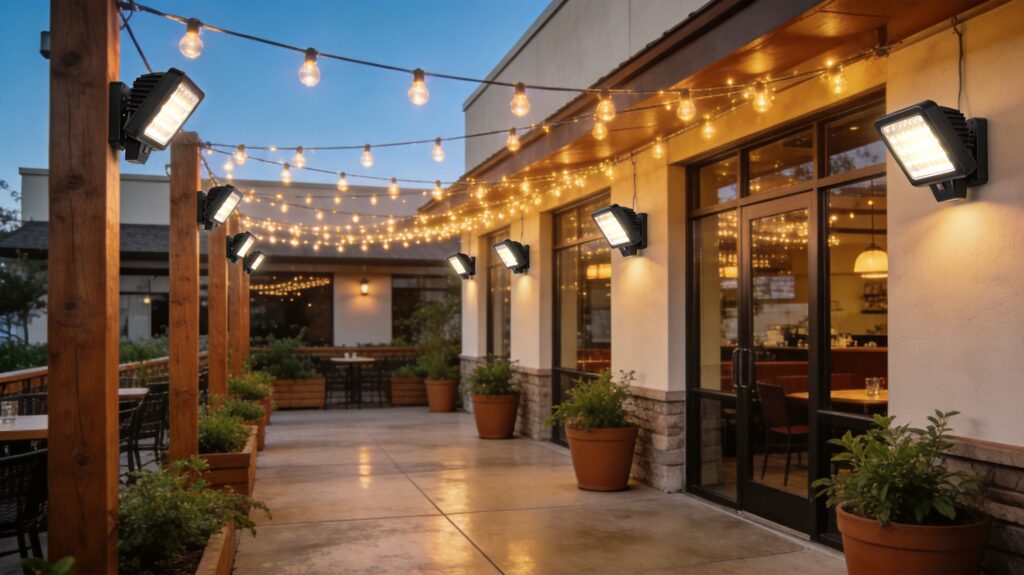
Commercial Lighting Trends 2026: Low Voltage String Lights for Patio Businesses
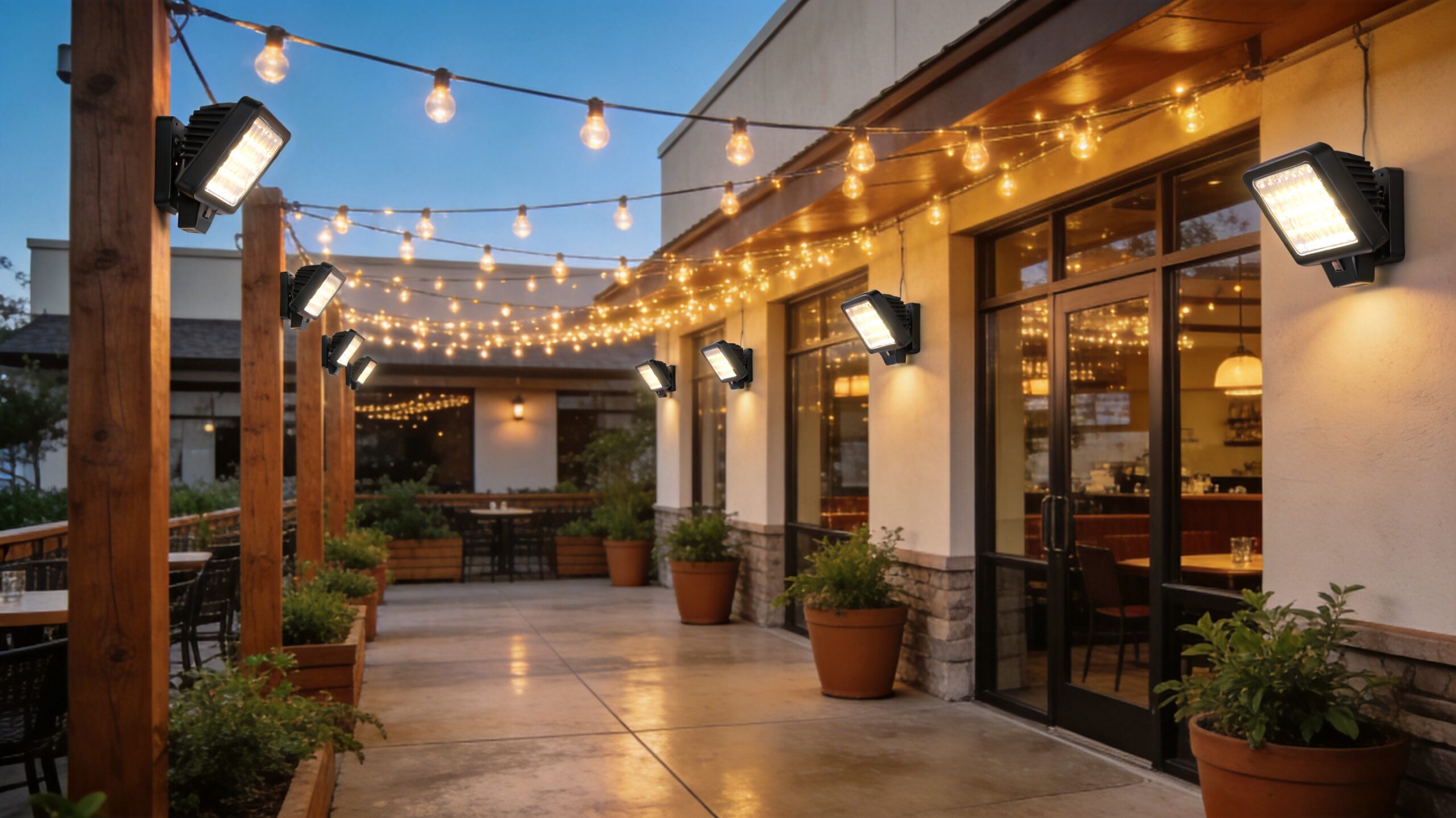
The outdoor hospitality sector is going through a real transformation right now. As we move through 2026, patio businesses—from restaurants and cafés to hotels and event venues—are completely rethinking how they approach illumination. The reasons are pretty clear: rising energy costs, stricter building codes, and a growing demand for memorable guest experiences. Commercial lighting isn’t just about function anymore; it’s a strategic investment that affects operational budgets, brand perception, and customer satisfaction.
This shift has put low voltage string lights and advanced outdoor lighting fixtures at the center of design and procurement conversations. These systems offer a compelling mix of efficiency, durability, and aesthetic appeal that traditional line voltage solutions just can’t match. For business owners and facility managers, understanding these trends is essential for making smart decisions that balance upfront costs with long-term value. For a deeper look at how these systems are manufactured and specified, check out this industry reference on commercial lighting standards.
Why Commercial Patio Lighting Is Evolving in 2026
Shifting Buyer Priorities: Energy Codes and Operational Costs
Municipalities across North America and Europe are tightening energy efficiency standards for commercial properties. Updated building codes now mandate lower wattage allowances per square foot for outdoor spaces, pushing businesses toward LED technology and intelligent control systems. Simultaneously, operational costs remain a top concern for hospitality operators. Energy consumption for patio lighting can account for a substantial portion of a utility bill, especially during extended evening hours. This dual pressure—regulatory compliance and cost containment—is accelerating the adoption of low voltage systems that inherently consume less power while delivering superior light output.
The Rise of Low Voltage Systems in Hospitality Design
Low voltage string lights have moved from residential backyards to high-end commercial patios, and for good reason. These systems operate at 12V or 24V, significantly reducing energy consumption compared to standard 120V fixtures. Beyond efficiency, low voltage technology offers enhanced safety in wet environments, a critical consideration for outdoor dining areas exposed to rain, sprinklers, and humidity. Designers also favor these systems for their flexibility: they can be configured into intricate patterns, draped over pergolas, or strung between posts without the rigid constraints of traditional hardwired lighting. This adaptability makes them a cornerstone of modern commercial lighting design. Explore our 24V low-voltage project light string to see how this technology is applied in practice.
Low Voltage String Lights: Key Specifications for Commercial Buyers
Wattage, Lumens, and Color Temperature Considerations
When specifying low voltage string lights for commercial use, three metrics matter most: wattage, lumens, and color temperature. For patio applications, bulbs typically range from 1.5W to 5W per socket. However, wattage alone doesn’t determine brightness—lumens do. A quality commercial string light should deliver at least 100 lumens per watt, ensuring adequate illumination for dining areas without excessive glare. Color temperature, measured in Kelvin (K), sets the ambiance. Warm white (2700K–3000K) creates an intimate, inviting atmosphere ideal for restaurants, while neutral white (3500K–4000K) suits multi-purpose venues requiring clearer visibility. From what I’ve seen, buyers should prioritize fixtures with high Color Rendering Index (CRI) ratings above 90 to ensure food and décor appear vibrant and natural.
IP Ratings and Weather Resistance for Outdoor Use
Outdoor lighting fixtures must withstand the elements year-round. The Ingress Protection (IP) rating indicates a fixture’s resistance to dust and water. For patio string lights, an IP65 rating is the minimum recommended standard, offering complete protection against dust and low-pressure water jets. However, businesses in coastal or high-humidity regions should seek IP67-rated products for submersion resistance. Beyond the rating, examine the construction materials: UV-stabilized PVC or rubber housings resist sun damage, while brass or stainless steel connectors prevent corrosion. These details determine whether your investment lasts five years or fifteen. For a technical breakdown of these specifications, refer to this technical reference from Engineering360.
Durability and Lifespan Benchmarks for Patio Environments
Commercial environments demand robust performance. Look for string lights rated for a minimum of 50,000 hours of operational life—equivalent to roughly 11 years of nightly use. Equally important is the temperature tolerance. Patio fixtures should operate reliably in ranges from -20°F to 120°F without degradation in light output or color consistency. Additionally, consider the socket and bulb connection design. Vibration-resistant sockets and shatterproof lenses are essential in high-traffic areas where accidental impacts are common. In my experience, these durability benchmarks separate consumer-grade products from true commercial-grade equipment.
Comparing Low Voltage String Lights vs. Traditional Outdoor Fixtures
Energy Efficiency and Utility Savings
The most immediate advantage of low voltage string lights is their energy efficiency. A typical 100-foot run of low voltage string lights with 50 bulbs consumes approximately 100 watts—the same as a single traditional incandescent floodlight. Over a year of nightly operation, this translates to savings of 70–80% on lighting-related energy costs. Furthermore, low voltage systems integrate seamlessly with smart controls, allowing businesses to schedule dimming during off-peak hours, compounding utility savings without sacrificing ambiance.
Installation Complexity and Maintenance Requirements
Traditional line voltage fixtures require licensed electricians for installation, conduit runs, and junction boxes—all of which drive up labor costs. Low voltage systems, by contrast, use plug-and-play connectors and lightweight cabling that can be installed by general maintenance staff in many jurisdictions. This reduces initial installation expenses by 30–50%. Maintenance is equally simplified: individual bulbs can be replaced without specialized tools, and the low operating temperature extends component lifespan, reducing the frequency of replacements.
Aesthetic Flexibility for Brand and Ambiance
Traditional fixtures often impose design limitations—fixed mounting points, bulky housings, and limited color options. Low voltage string lights offer unmatched versatility. They can be arranged in geometric patterns, cascading layers, or linear runs to define zones within a patio. Customizable spacing between sockets allows for precise light distribution, while interchangeable bulbs enable quick shifts in color temperature or intensity. This flexibility empowers businesses to align their lighting with seasonal promotions, brand colors, or specific event themes, creating a dynamic guest experience that static fixtures cannot replicate. Our bubble ball string lights exemplify this design versatility.
Top Applications for Commercial Outdoor Lighting Fixtures
Restaurants and Cafés: Zoning and Guest Experience
For restaurants, patio lighting serves a dual purpose: defining space and enhancing the dining experience. Low voltage string lights are ideal for creating distinct zones—a brightly lit walkway, a softly illuminated seating area, and accent lighting on architectural features. The ability to dim individual circuits allows staff to transition from a lively dinner service to a relaxed late-evening lounge atmosphere without changing fixtures. This zoning capability directly influences guest dwell time and average check size, making lighting a revenue-generating asset rather than a mere expense.
Hotels and Resorts: Pathway and Perimeter Lighting
Hotels and resorts require lighting that balances safety with aesthetics. Low voltage string lights excel in pathway applications, guiding guests along walkways with a warm, welcoming glow. For perimeter lighting, these fixtures can outline property boundaries, pool areas, and garden features while maintaining a cohesive design language. The low voltage nature of these systems reduces liability risks associated with exposed electrical components, a critical consideration for properties with high guest traffic and water features.
Event Venues: Temporary vs. Permanent Installations
Event venues face a unique challenge: accommodating diverse events with varying lighting requirements. Low voltage string lights offer a solution that bridges temporary and permanent installations. For permanent setups, fixtures can be hardwired with quick-disconnect points, allowing rapid reconfiguration for weddings, corporate functions, or festivals. For temporary events, portable low voltage kits can be deployed without structural modifications, providing professional-grade lighting that elevates the venue’s capabilities. This flexibility maximizes venue utilization and rental revenue.
Sourcing and Procurement: What to Look for in Suppliers
Certifications and Compliance (UL, ETL, DLC)
When sourcing commercial lighting, certifications are non-negotiable. UL (Underwriters Laboratories) and ETL (Intertek) listings confirm that products meet North American safety standards. For energy efficiency incentives, look for DLC (DesignLights Consortium) qualification, which may unlock rebates from utility providers. These certifications protect your business from liability and ensure compliance with local building codes. Always request certification documentation from suppliers and verify their validity through official databases.
Warranty Terms and Replacement Part Availability
A robust warranty is a strong indicator of product quality. Commercial-grade string lights should carry a minimum five-year warranty covering both parts and labor. Equally important is the availability of replacement components—bulbs, sockets, connectors, and transformers. Suppliers that stock spare parts for at least ten years demonstrate confidence in their product and commitment to long-term support. This reduces downtime and total cost of ownership, as you won’t need to replace entire systems for minor component failures.
Bulk Pricing and Lead Time Considerations
For businesses outfitting multiple locations or large venues, bulk pricing is a critical factor. Reputable suppliers typically offer tiered discounts at quantities of 50, 100, and 500 units. However, price should never be the sole criterion. Evaluate lead times carefully, especially for custom configurations or branded fixtures. A supplier with domestic warehousing can deliver in 5–10 business days, while overseas manufacturing may require 6–8 weeks. Factor these timelines into your project planning to avoid costly delays in opening or renovation schedules. Review our product catalog to understand available configurations and lead times.
Implementation Best Practices for Patio Businesses
Load Planning and Transformer Sizing
Proper load planning prevents system failures and safety hazards. Calculate the total wattage of all bulbs on a circuit, then add a 20% safety margin. Select transformers rated for at least 125% of the calculated load to accommodate voltage drop over long cable runs. For runs exceeding 100 feet, consider multiple transformers or higher voltage (24V) systems to maintain consistent brightness. Document your load calculations for future maintenance reference and to ensure compliance with electrical codes.
Zoning Controls and Dimming Integration
Modern low voltage systems support advanced control options that enhance both energy savings and guest experience. Install dimmable drivers that allow smooth adjustment from 100% to 10% brightness. Integrate these with smart controllers that enable scheduling, remote operation, and scene presets. For example, a “sunset” scene could activate full brightness at dusk, transition to 70% during dinner service, and dim to 40% for late-night lounging. These controls not only reduce energy consumption but also extend bulb lifespan by reducing thermal stress.
Safety, Spacing, and Mounting Guidelines
Safety must guide every installation decision. Maintain a minimum clearance of 10 feet between string lights and the ground in pedestrian areas, and 15 feet over vehicle pathways. Ensure all connections are rated for outdoor use and positioned away from standing water. For mounting, use stainless steel cables or weatherproof hooks rated for at least three times the weight of the light string. Space bulbs evenly—typically 12 to 18 inches apart—to achieve uniform illumination without hot spots or dark zones. Adhering to these guidelines protects guests, staff, and your investment.
Cost Analysis: Upfront Investment vs. Long-Term Savings
Material and Labor Cost Benchmarks
The initial investment for commercial-grade low voltage string lights ranges from $3 to $8 per linear foot, depending on bulb quality, spacing, and features. A typical 500-square-foot patio requires approximately 300 linear feet of string lights, placing material costs between $900 and $2,400. Installation labor adds $500 to $1,500, depending on complexity and local rates. This brings the total upfront cost to $1,400–$3,900—a modest figure compared to traditional hardwired systems, which often exceed $10,000 for comparable coverage.
ROI Projections from Reduced Energy Consumption
The return on investment is compelling. Assuming a 300-foot installation consuming 300 watts, operating 10 hours daily at $0.15/kWh, annual energy costs are approximately $164. A comparable traditional system would consume 1,200 watts, costing $657 annually—a yearly savings of $493. Combined with reduced maintenance costs (LED bulbs last 10 times longer than incandescent), the payback period typically ranges from 2 to 4 years. Over a 10-year lifespan, total savings exceed $5,000 per installation, not including utility rebates or tax incentives for energy-efficient upgrades.
Frequently Asked Questions About Commercial Lighting Upgrades
Can Low Voltage String Lights Replace Line Voltage Systems?
Yes, in most applications. Low voltage string lights can fully replace line voltage systems for decorative and general illumination in covered or semi-covered patios. However, for high-bay lighting, security floodlights, or applications requiring extremely high lumen output, line voltage fixtures may still be necessary. A hybrid approach—using low voltage string lights for ambiance and targeted line voltage fixtures for task lighting—often delivers the best results. I’d recommend consulting with a lighting designer to determine the optimal configuration for your specific space.
What Maintenance Is Required for Outdoor Fixtures?
Routine maintenance is minimal but essential for longevity. Perform quarterly inspections of connections, transformers, and mounting hardware. Clean bulbs and lenses with a soft, damp cloth to remove dust and debris that can reduce light output by up to 30%. Replace any damaged bulbs immediately to prevent voltage imbalances that stress other components. Annually, test all ground fault circuit interrupters (GFCIs) and verify that all connections remain watertight. This preventive approach extends system lifespan and maintains consistent performance.
How Do I Choose the Right Color Temperature for My Patio?
The choice of color temperature depends on your brand identity and desired ambiance. For upscale dining, warm white (2700K) creates an intimate, cozy atmosphere that flatters skin tones and food presentation. For casual or family-oriented venues, neutral white (3000K–3500K) offers a brighter, more energetic feel while remaining welcoming. Avoid cool white (4000K+) for guest areas, as it can feel clinical and uninviting. Consider installing dimmable fixtures with adjustable color temperature to provide flexibility for different times of day or event types. Test multiple options in your actual space before committing to a large order.
The commercial lighting landscape in 2026 rewards businesses that embrace innovation. Low voltage string lights and energy-efficient outdoor lighting fixtures deliver measurable benefits: reduced operational costs, enhanced guest experiences, and compliance with evolving regulations. By understanding the technical specifications, comparing system options, and implementing best practices, patio businesses can transform their outdoor spaces into profitable, memorable destinations. The investment is clear, the savings are tangible, and the competitive advantage is yours to claim. For additional guidance on product selection, visit our outdoor patio decorative lights page or contact our team for personalized recommendations.