
The Benefits of Low Voltage Decorative Lights for Commercial Spaces

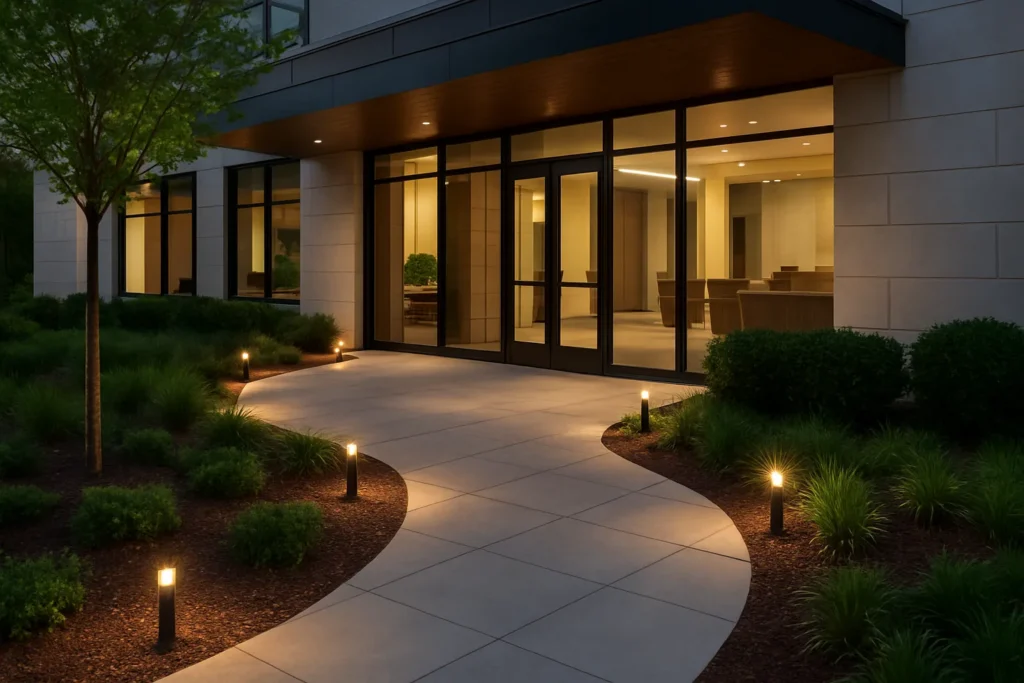
Low voltage lights are innovative lighting solutions that operate at a lower voltage than standard electrical systems, typically ranging from 12 to 24 volts. These lights play a crucial role in commercial spaces, where effective lighting can significantly enhance both aesthetic appeal and functionality. From my experience in the industry, low voltage decorative lights not only illuminate but also contribute to the overall ambiance, making them a popular choice for businesses aiming to create inviting atmospheres. If you’re curious about the various lighting options available, feel free to visit our products page.
Advantages of Low Voltage Decorative Lights
One of the standout benefits of low voltage decorative lights is their energy efficiency. Operating at a lower voltage means that they consume significantly less energy compared to traditional lighting solutions. This efficiency leads to lower electricity bills, making these lights an attractive option for businesses looking to reduce operational costs.
Moreover, the cost savings extend beyond just energy bills. Low voltage lights typically have longer lifespans than incandescent or standard fluorescent lights, which means businesses can save on replacement costs. In my observations, this longevity, coupled with energy savings, can lead to substantial financial benefits over time, as highlighted in this industry reference.
Versatility in design is another compelling advantage. Low voltage decorative lights come in a variety of styles and forms, allowing businesses to tailor their lighting solutions to align with their branding and aesthetic preferences. From sleek, modern fixtures to more traditional designs, these lights can enhance the visual appeal of any commercial space.
Use Cases in Commercial Settings
Low voltage decorative lights are particularly effective in retail environments. They can highlight products, create focal points, and guide customers through a store. Strategically placing these lights can enhance the shopping experience and encourage purchases, which, in my experience, can lead to increased sales.
In hospitality venues, such as restaurants and hotels, low voltage lights help create a warm and inviting atmosphere. They can be utilized to design intimate dining experiences or to accentuate architectural features, thus enhancing the overall guest experience.
Office spaces also benefit from low voltage decorative lights. These lights can foster a more comfortable and productive work environment. By incorporating adjustable lighting solutions, businesses can cater to various tasks and preferences, promoting employee satisfaction and productivity.
Comparison with Traditional Lighting Solutions
When we compare low voltage decorative lights with traditional lighting solutions, several performance metrics reveal distinct advantages. For instance, low voltage lights typically produce less heat, which contributes to a more comfortable environment while helping to reduce cooling costs.
Additionally, installation is often easier with low voltage systems, which require less extensive electrical work. This simplicity can lead to quicker project completions and less disruption to business operations. As someone who has worked on various lighting projects, I can attest that the long-term benefits of low voltage lights are significant. With reduced energy consumption, lower maintenance needs, and longer lifespans, businesses can expect a strong return on investment. Over time, the cumulative savings can greatly outweigh the initial costs associated with purchasing and installing these lighting solutions.
Sourcing Low Voltage Decorative Lights
When sourcing low voltage decorative lights, businesses should consider key suppliers and manufacturers known for their quality and reliability. Brands specializing in commercial lighting solutions often provide a range of options tailored to various business needs. For more insights, check out our FAQs page.
Key factors to consider when sourcing include the quality of materials, energy efficiency ratings, and design options. It’s also essential to ensure that the products meet safety standards and certifications, as outlined by this technical reference.
Pricing trends for low voltage lights can fluctuate based on technological advancements and market demand. Understanding these trends can empower businesses to make informed purchasing decisions and capitalize on potential savings.
Implementation Strategies
Successful implementation of low voltage decorative lights begins with careful planning and design considerations. Businesses should assess their space and identify specific lighting needs. A well-thought-out lighting plan can enhance both functionality and aesthetics.
Best practices for installation include ensuring proper connections and using the appropriate transformers for the low voltage system. Engaging professional installers can help avoid common pitfalls and ensure compliance with safety regulations.
Maintenance tips for low voltage lights involve regular inspections and cleaning to maintain optimal performance. Businesses should also monitor for any flickering or dimming, which may indicate the need for replacements or repairs.
Frequently Asked Questions
What are the safety standards for low voltage lights?
Low voltage lights must comply with safety standards established by organizations such as Underwriters Laboratories (UL) and the National Electrical Code (NEC). These standards ensure that the lights are safe for commercial use.
How do low voltage lights impact ambiance?
Low voltage decorative lights can significantly enhance ambiance by providing softer, more diffused lighting. This creates a welcoming environment that can influence customer behavior and employee morale.
Can low voltage lights be integrated with smart systems?
Yes, many low voltage lighting solutions can be integrated with smart systems, allowing for enhanced control over lighting settings. This integration can improve energy efficiency and offer flexibility in managing lighting environments.
In conclusion, low voltage decorative lights offer numerous benefits for commercial spaces, from energy efficiency and cost savings to versatile design options. By understanding their advantages and implementing effective strategies, businesses can enhance their environments and improve overall customer and employee experiences.