
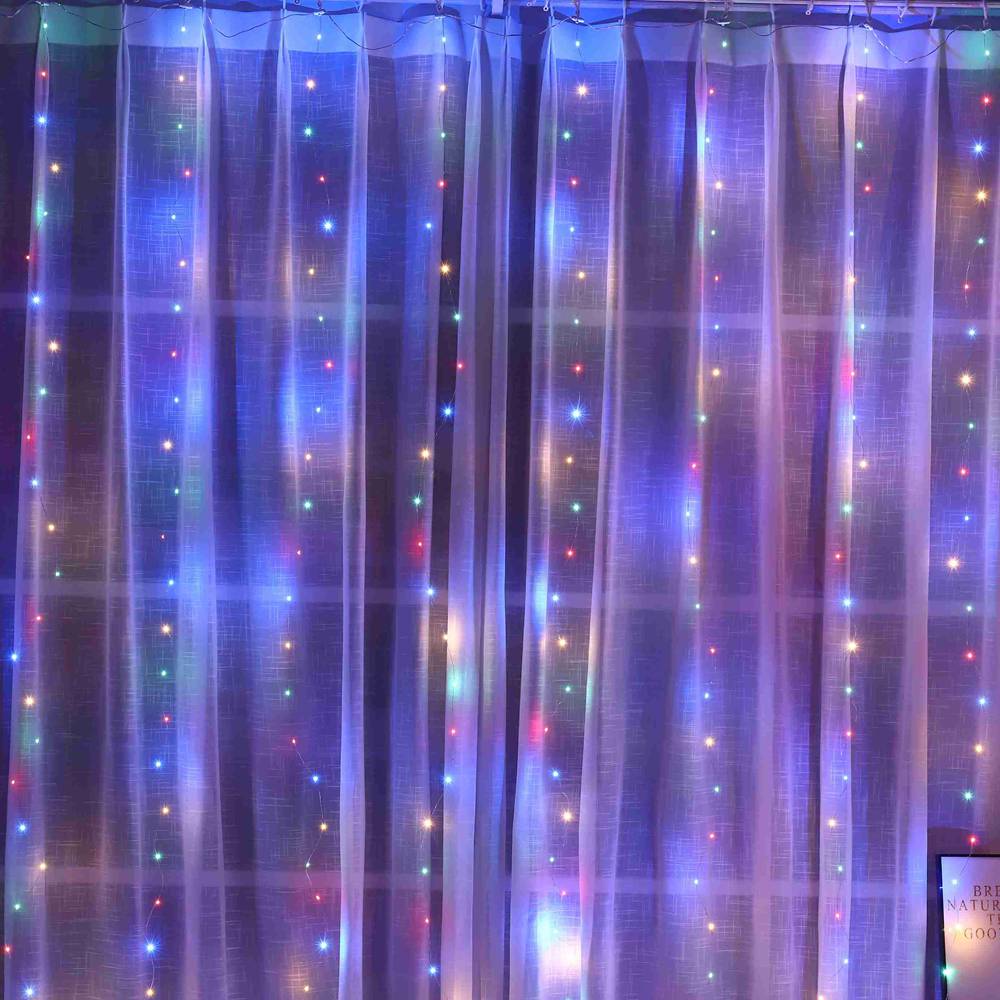
Curtain Light RFQs: Map the Hanging Layout
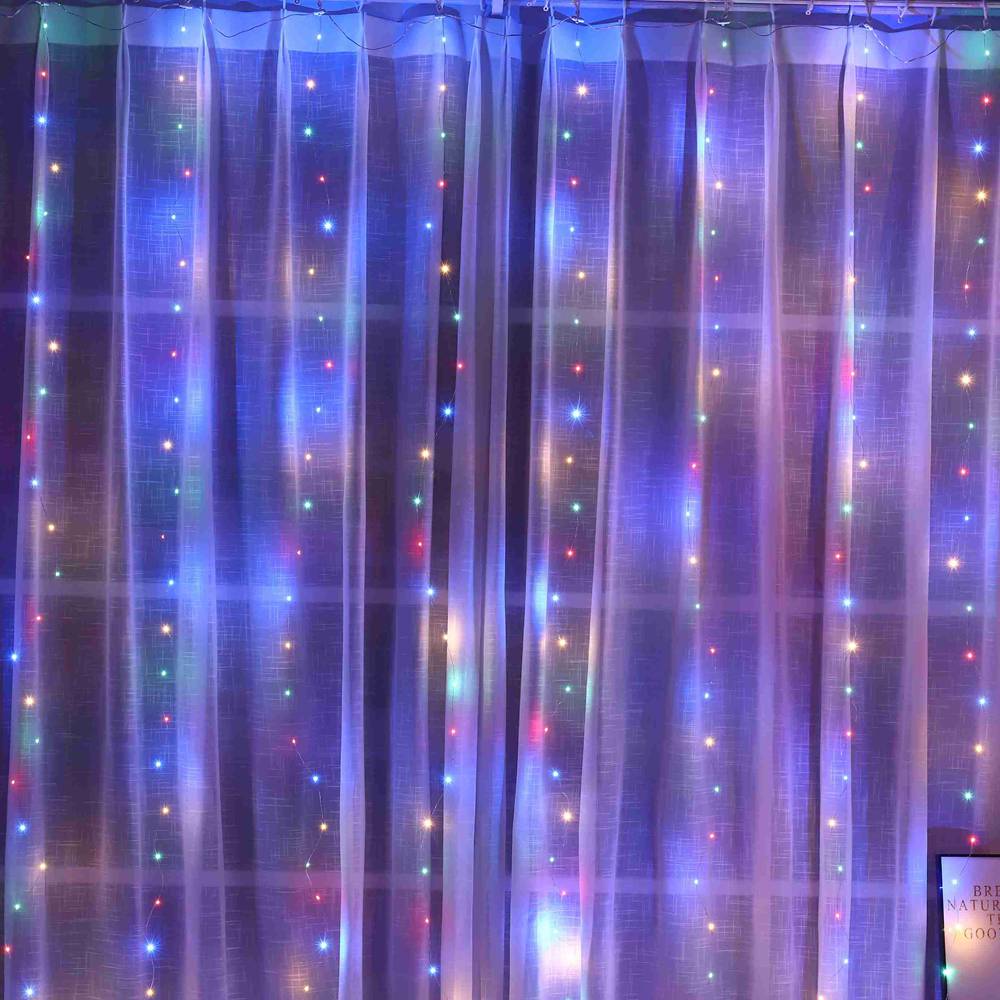
For a curtain light RFQ, ask the supplier to map the horizontal hanging width, vertical drops, spacing and lead reference on one labelled drawing. Keep the intended display area separate from the product dimensions. Attach the selected catalogue image and list the included components. This gives buyers a consistent layout reference when comparing quotations or reviewing a sample.
Select the exact curtain light reference
The Curtain Light catalogue entry on the Jinghui Lighting website shows lights arranged in hanging lines over sheer curtains. The page identifies the product family but supplies little written dimensional detail. Its pictures can help identify the appearance being discussed. They do not replace a supplier drawing or define the width, number of drops, spacing, length or contents of the version being quoted.
Save the product link and identify which image the supplier should use as the enquiry reference. The decorative lighting directory also lists string lights, shaped lights and other families. Do not transfer a specification from another listing merely because the display effect looks similar. Start with the selected product, then ask the supplier to describe the configuration and items it proposes for your request.
Separate display coverage from product dimensions
A buyer may begin with a window, backdrop or other intended display area. Record that requested area as a project requirement, not as an existing product specification. The supplier should respond with the proposed product’s layout and explain which stated dimensions refer to the horizontal run, the hanging drops or another section. Keep the project reference and product response in separate columns so a visual preference is not mistaken for a confirmed dimension.
Define the endpoints used for each measurement. Ask whether hanging width describes the distance between the first and last drops or a different part of the assembly. For a vertical dimension, identify the point where the drop begins and the endpoint being measured. Keep lead or supply-related sections separate from the decorative area. These are questions for the quotation record, not instructions for selecting wiring or installing the product.
Map drop count and spacing explicitly
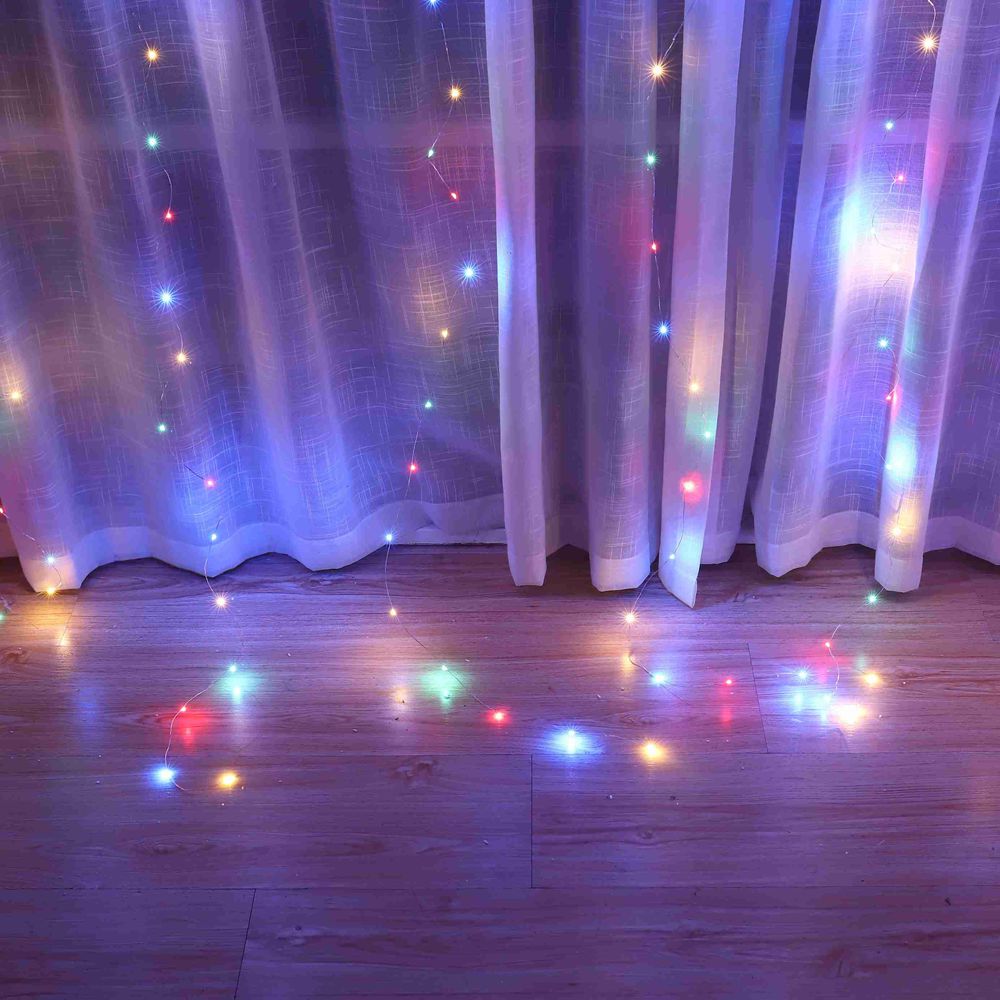
Ask the supplier to identify the number of hanging drops in the proposed version and mark their positions on the same drawing. A scene photograph may hide some lines behind curtain folds or show extra wire near an edge. Counting bright points in the picture therefore does not reliably define the product layout. Keep an appearance image beside the drawing, while using the supplier-confirmed schedule for the specification discussion.
Clarify how spacing is described. A quoted gap may refer to adjacent drop positions, while the total width may include sections outside those positions. Request a consistent definition rather than calculating a missing field from an unlabelled number. Where the supplier proposes more than one configuration, give each layout a separate reference. Do not combine the width of one option with the drop arrangement or packing information of another.
Use a layout schedule for quotation comparison
The following schedule turns a decorative lighting enquiry into specific questions a supplier can answer. It contains no dimensions for the catalogue item and does not establish which accessories are included. Add the actual response and drawing reference beside each field. Keep an unanswered field open until the supplier clarifies it, rather than filling the space with a value copied from a different decorative-light product.
| Schedule field | Buyer request | Supplier clarification |
|---|---|---|
| Selected version | Product URL, image and proposed configuration | Which item and version does this offer cover? |
| Hanging width | Named horizontal measurement and endpoints | Does the width cover the drop positions or another section? |
| Drop arrangement | Number, order and positions of hanging drops | What layout does the drawing identify? |
| Vertical extent | Start point and endpoint for each stated length | Is this the decorative drop or another part of the assembly? |
| Lead reference | Position and separately defined length, if applicable | Which part lies outside the decorative area? |
| Included items and packing | Supplier item list and packing-unit definition | What is supplied in one quoted unit and each pack? |
- Use the same layout reference on the enquiry, drawing and quotation.
- State the unit and endpoints beside each requested dimension.
- Separate the intended display area from the proposed product layout.
- Identify packing and included components without assuming them from a scene image.
Keep appearance and technical evidence separate
The catalogue images show different colour appearances and decorative arrangements. A buyer should identify the requested visual reference, then ask the supplier which actual product option it represents. Screen colour and camera exposure do not establish colour temperature, brightness, energy consumption or an operating sequence. An image of a hanging display also does not demonstrate installation suitability, outdoor protection or compatibility with another item.
Request the exact technical specification and relevant documentation for the proposed version through the supplier’s normal process. Electrical ratings, power-supply details, controls, environmental suitability and product compliance need their own review. A layout agreement does not resolve those questions. Do not infer connectability, interchangeable accessories or a permitted use environment from the visible lead or the way the lights are arranged in a photograph.

Link the drawing to sample and packing review
When requesting a sample, include the layout reference and ask which proposed configuration the sample represents. Record its identity against the supplier’s drawing and note any differences in arrangement or included items. A sample image taken from another angle should remain tied to that same identity. If the supplier proposes a change, identify the affected schedule rows and request a revised response before treating the quotation as comparable with an earlier version.
Define the purchasing unit separately from the shipping pack. Ask how the selected light assembly and any agreed components are allocated to the quoted pack, and retain that response with the drawing. A styled display does not reveal a carton’s contents. Prices, order quantities, available options and delivery commitments should come from the supplier’s written offer for the confirmed version rather than from a general category description.
Frequently asked procurement questions
Can hanging dimensions be estimated from the catalogue scene?
Use the image to identify the appearance, then request a dimensioned drawing. Perspective, curtain folds and hidden sections prevent the scene from defining reliable product measurements.
Is display coverage the same as product width?
Not necessarily. Record the desired display area separately and ask the supplier to define the endpoints of the quoted product width and the configuration proposed for that requirement.
Does every bright vertical line represent a supplied drop?
A photograph does not provide a reliable count schedule. Ask for the drop positions and number in the proposed version, tied to the selected product reference and drawing.
Do different colour pictures prove selectable operating modes?
No. Ask which actual configuration each selected image represents. A colour appearance or glow in a photograph does not establish a control mode, brightness or electrical specification.
What belongs in the first curtain light enquiry?
Include the product URL, selected appearance reference, intended display area and an unfilled layout schedule. Ask for defined dimensions, a version-linked drawing and the proposed included-item and packing list.
Explore the Jinghui Lighting blog for related purchasing topics. To discuss the selected curtain light, send the product link and proposed layout schedule through the contact page. Keeping the appearance reference, supplier drawing and quotation together makes the enquiry easier to answer and helps the buyer compare the actual configuration being offered.